Basketball Betting
An interesting and consistent area of sports betting is basketball betting, popular among beginners and professional players.

Best Online Sportsbooks for Basketball Betting
You should choose the sportsbook with the best lines on basketball, who carries the highest number of games/bet types, as well as pay attention to:
- Size of the odds;
- Wide variety of lines that allow you to bet on different outcomes;
- The opportunity to place bets on live basketball games;
- Low margin percentages;
- Availability of bonuses and promotions.
How to Bet on Basketball
If you are not guided purely by sports, but also by financial interest, then you are more interested in how to win basketball bets on sportsbooks. There are a number of conditions under which you can make more successful basketball bets:
- good knowledge of the game rules, peculiarities of teams and athletes;
- pre-match analytics and use of basketball predictions from experts;
- ability to analyze betting ratios and line dynamics;
- knowledge of the system of bets on a particular sport;
- strategy development.
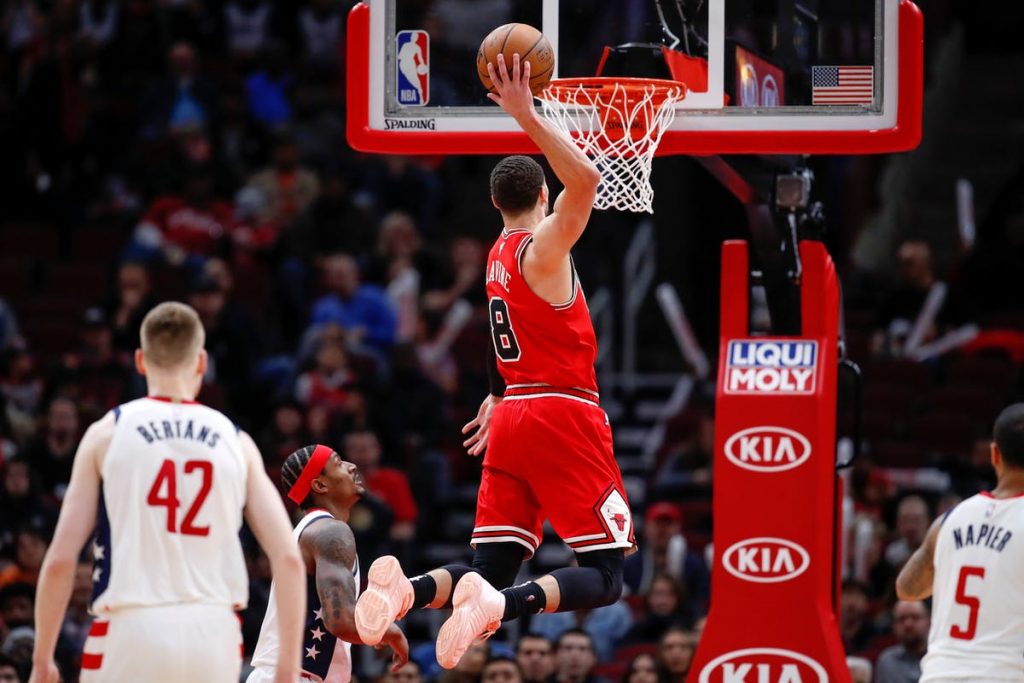
The most interesting basketball events in the world are the NBA League games. National Basketball Association – the professional league of basketball teams from North America, primarily from the United States. Sports bets on NBA teams and games are made actively around the world.
At present, the NBA has 30 teams. The NBA regular season is held annually from July to April, with a break in February for the NBA All-Star Game. After its completion in the second half of April comes the NBA Playoffs.
Types of basketball bets
If you are familiar with the main types of sports bets, you will easily understand how to bet on basketball. The most popular are as follows:
- Outcome Bets – bets on the game’s outcome. Can be made with or without taking into account overtime;
- Over/Under Totals – the traditional over or under. Betting on whether the game’s total will be over or under the sportsbook’s given number. There are total bets on points, fouls, penalty shots, etc.;
- Quarters – each of the included bets in this list (besides futures bets) can be made on individual quarters, rather than the entire game;
- Match Comparison – matches are compared within the same round between teams of the same level, you need to predict in which the total score or individual result of the team will be greater;
- Futures Betting – on which teams will win their divisions, the championship, etc. These are long-term bets,with the most interesting being in the NBA and the Euroleague.
Troubles in basketball (in regular time, followed by overtime in this case) are rare, but still happens this outcome. That’s why many players, betting on basketball today, bet on the victory of one of the teams with a handicap of 0.5.
In this case, the odds are slightly reduced, but the bettor is insured against losing the original stake if the game ends in a tie.
Often, players betting on basketball online prefer live basketball bets (live bets), which are updated throughout the course of the game. In addition to the main ones, the live line often includes many additional bets.
Such tactics in basketball betting are not always justified because of the dynamic and unpredictable game that is basketball.
Basketball betting strategies
There are several popular methods of basketball betting, with experienced players resorting to several strategies, and beginners are better off sticking to one.
- for bets on the over/under, apply the method of calculation on the results of the last five games of each team, as well as their previous head-to-head matchups;
- You can do on an even-notch or total more or less in a quarter, using the catch-up strategy;
- If there is an obvious favorite and underdog, a minimum bet is placed on the underdog before the game starts, and at the moment when the team is performing at its best – a larger one on the favorite. These are practically win-win bets on basketball, although they do not promise a big win.